Quick Answer
FPV drones and regular GPS-stabilized camera drones are both useful for commercials, but they are good at different things. FPV drones fly fast, close, and manually, so they suit fly-throughs, chases, and dramatic reveals. Regular drones hover steadily and fly smooth pre-programmed paths, so they suit wide establishing shots and calm, controlled moves. Most professional commercials use both, matched to the right shot.
The Core Difference in How They Fly
A regular camera drone uses GPS to hold its position automatically. Let go of the controls and it hovers in place. This makes it easy to get a steady, predictable shot, and it is why most consumer and professional camera drones fly this way.
An FPV drone is flown manually, usually without GPS assistance, using a live video feed to the pilot's goggles. The pilot controls the drone's angle and speed directly with the sticks, which lets it move in ways a self-stabilizing drone cannot: diving fast, banking hard, or flying through a tight gap. Our guide on FPV drone vs camera drone breaks down this difference in more detail if you want the full technical picture.
Shots FPV Drones Do Best
FPV shines when a commercial needs energy and motion. Common shots include:
- Fly-throughs: diving through a doorway, window, or gap between objects in one continuous move.
- Chase shots: matching the speed of a car, bike, or runner at close range.
- Fast reveals: starting tight on a detail and pulling back or up quickly to reveal the full scene.
- Low, fast passes: flying just above the ground or water for a sense of speed.
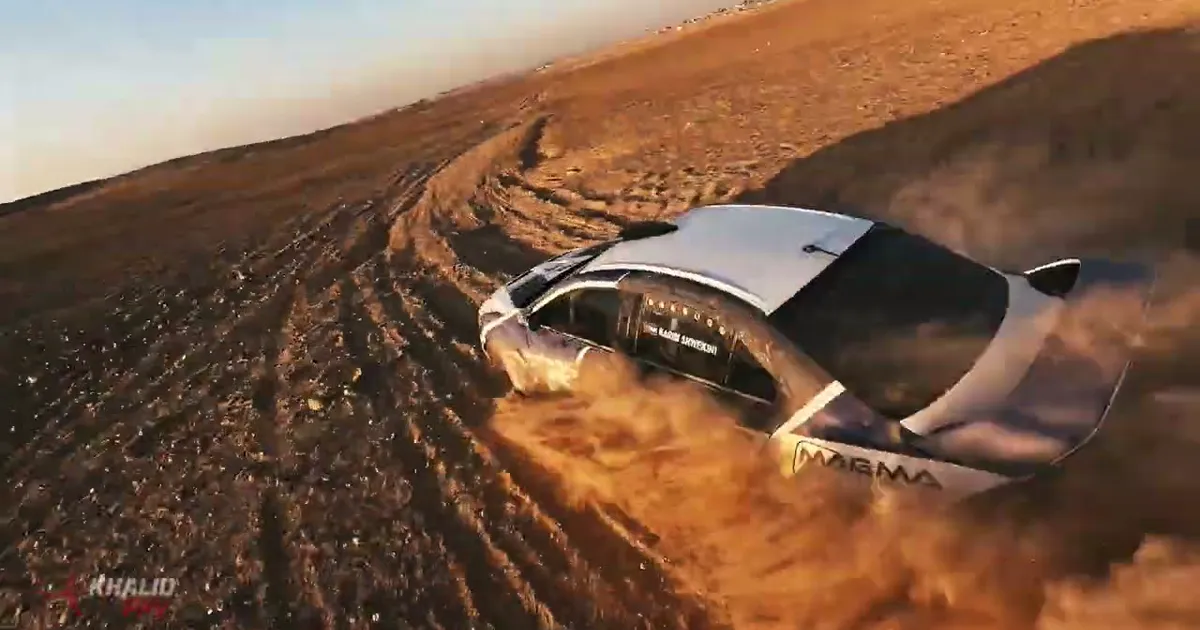
These shots feel immersive because the camera moves the way a person cannot, and often the way no drone can, except one flown by hand. This is a major reason automotive and action brands lean on FPV; our guide on how FPV drones film car commercials covers this in depth.
Shots Regular Drones Do Best
A GPS-stabilized drone is the right tool when the shot calls for calm and precision instead of speed. Typical uses include:
- Wide establishing shots: showing a location, building, or landscape from above.
- Slow reveals: smoothly rising or panning to introduce a scene.
- Orbits: circling a subject at a steady distance and height.
- Interview or product cutaways: any shot where stability matters more than motion.
These drones can also fly pre-programmed paths for a repeatable move, which is useful when a shot needs to be captured exactly the same way more than once, for example across multiple takes with actors.
Camera Quality and Payload
Regular commercial drones, especially larger ones, often carry bigger cameras with better sensors, more dynamic range, and interchangeable lenses. This matters for shots where image quality is the main focus, such as a slow, cinematic pan across a product or landscape.
FPV drones built for filming, sometimes called cinewhoops or cinelifters depending on size, can also carry real cameras, but the drone is usually smaller and lighter to keep it fast and maneuverable. For heavier professional cameras on an FPV-style rig, larger builds exist; see our cinelifter build guide for how these heavy-lift FPV drones are put together.
Why Most Productions Use Both
On a real commercial shoot, directors rarely pick just one type of drone. A common structure looks like this:
| Shot type | Best tool |
|---|---|
| Wide establishing shot of the location | Regular GPS drone |
| Slow orbit around the product or subject | Regular GPS drone |
| Fast chase alongside a moving car | FPV drone |
| Dive through a gap or doorway | FPV drone |
| Steady interview backdrop | Regular GPS drone |
| Low, fast pass over water or ground | FPV drone |
Combining both gives an edit contrast: calm, wide shots that establish the scene, cut against fast, close shots that bring energy. This mix is common in car commercials, sports content, and brand films that want to feel both polished and exciting.
Safety and Skill Requirements
FPV flying close to people, vehicles, or structures takes real skill and a clear safety plan, since the pilot is flying manually and close to the action. A professional FPV pilot for commercial work should have experience with the specific type of shot you need, not just general flying skill. Our guide on how to choose an FPV pilot lists the questions worth asking, including about safety process and experience with similar productions.
Regular GPS drones are generally lower risk for the pilot to fly, since the drone helps hold position, but they still need a trained operator and, in many places including Jordan, the right approvals for commercial filming.
Planning Your Shot List Around Both Tools
When you brief a production or a pilot, it helps to think in terms of the feeling you want, not just the drone type:
- List every shot the commercial needs, from wide to close.
- Mark which shots need speed, closeness, or a tight space (these usually call for FPV).
- Mark which shots need calm stability or a repeatable move (these usually call for a regular drone).
- Check whether one pilot and setup can cover both, or if you need a small team.
- Build in time for both types of flying in your schedule, since they often need different setup and battery cycles.
For a full walk-through of building out a shoot from brief to delivery, see our guide on how to plan an FPV shoot. If you are ready to talk through a specific commercial, our contact page is the fastest way to start that conversation.