Quick Answer
FPV drones film car commercials by flying alongside, above, or ahead of a moving vehicle at matching speed, capturing chase and orbit shots that a fixed camera or a regular GPS drone cannot get as smoothly. These shoots need a closed road or controlled track, careful speed matching with the driver, the right camera rig for the drone, and a clear safety plan agreed with everyone involved before filming starts.
Why FPV Suits Car Commercials
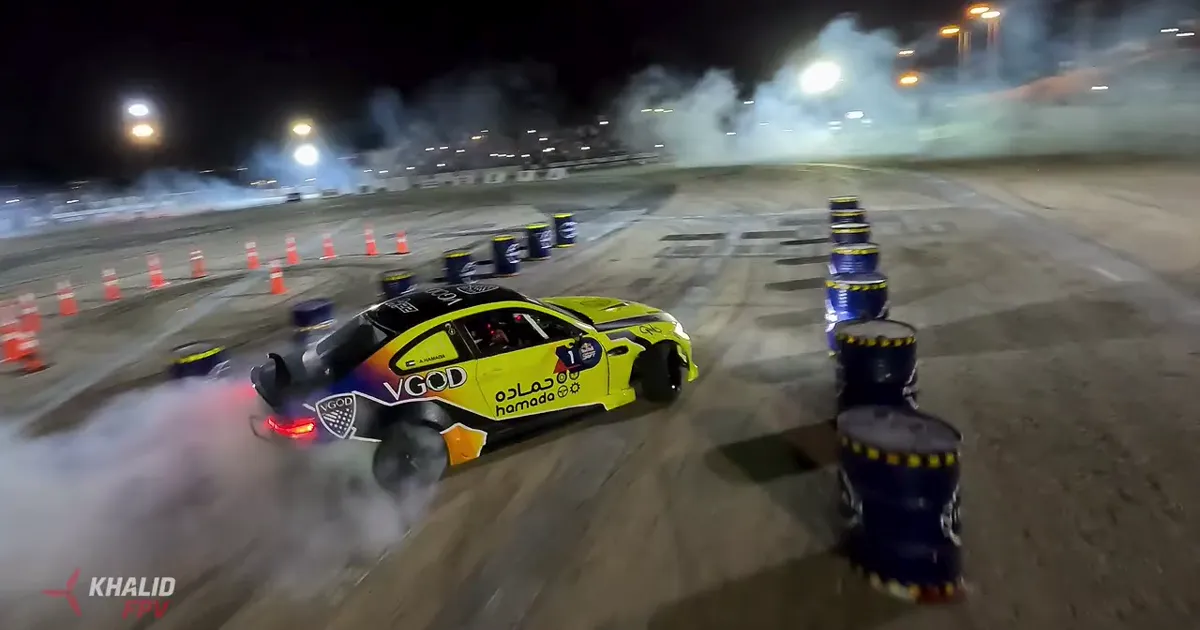
A car commercial needs to sell a feeling of speed, control, and design, not just show the vehicle sitting still. FPV drones can match a car's speed and stay close to it through turns, hugging the road the way a chase camera in a film does. This creates a sense of connection between the camera and the car that a static drone shot from a distance cannot match.
Because the pilot flies manually, they can react in real time to what the car is doing, following a curve in the road or pulling in tighter for a dramatic moment, rather than relying on a pre-set flight path.
Common Shot Types
Chase shots follow directly behind or beside the car, matching its speed closely enough to feel like the camera is part of the scene rather than watching from outside.
Orbit shots circle the car, either while it is moving or, for a more controlled version, while it is parked or moving slowly. This works well for revealing the shape of the vehicle from multiple angles in one continuous shot.
Low, fast passes fly close to the ground alongside the car, emphasizing speed and the relationship between the vehicle and the road surface.
Reveal shots might start low on a wheel or the road, then rise and pull back as the car accelerates, building anticipation before showing the full vehicle.
For a wider look at how FPV shots compare to what a regular camera drone offers, see our guide on FPV vs regular drones for commercials, which covers how directors often combine both drone types across one shoot.
Speed Matching With the Driver
Matching a drone's speed to a moving car is one of the harder parts of this kind of filming. It depends on close coordination between the pilot and the driver, usually including:
- A clear, agreed plan for the car's speed and path before the camera rolls.
- Radio communication or hand signals between the driver and the film crew.
- Multiple practice passes at lower speed before attempting the final take at full speed.
- A pilot experienced specifically with vehicle work, not just general FPV flying.
Speed matching is not something to improvise on the first take. A rehearsed run reduces risk for everyone and usually produces a cleaner shot, since both the driver and the pilot know exactly what to expect from each other.
Closed Roads and Track Days
Car commercial shoots almost always need a closed road, a private track, or another controlled environment, rather than public traffic. This protects the driver, the film crew, the pilot, and anyone else nearby, and it also gives the production the freedom to repeat a shot multiple times without other vehicles or pedestrians in the frame.
Arranging a closed location takes its own planning and permissions, separate from the drone approval process itself. In Jordan, both the location closure and the drone flight need to be planned together well ahead of the shoot date, alongside the general drone approval process covered in our guide on drone laws in Jordan.
Rigging and Camera Choices
Smaller, lighter FPV drones offer the most agility for close chase work, but they typically carry smaller cameras. For a commercial that needs the highest possible image quality, a larger FPV-style rig can carry a bigger camera, at the cost of some speed and tight-space maneuverability. Our cinelifter build guide explains how these heavier-lift FPV drones are built for carrying real cinema cameras.
The right choice depends on the shot. A fast, low chase along a straight road might favor a lighter, quicker drone, while a slow, cinematic orbit around a parked hero car might favor a heavier rig with a better camera.
Building a Safety Plan With the Driver
Car commercial shoots involve real risk: a fast-moving vehicle and a flying drone sharing the same space. A responsible production builds a safety plan before anyone gets in the car or the drone takes off, covering:
- Minimum safe distances between the drone and the car at every planned speed.
- A clear abort signal that stops the shot immediately if anything looks wrong.
- Weather and road-surface checks before filming, since wind and low-grip surfaces raise risk for both the driver and the pilot.
- A spotter dedicated to watching the drone and the surrounding area, separate from the pilot and the driver.
Our guide on flying an FPV drone safely covers the general safety habits every professional pilot should already have in place, which apply even more strictly on a shoot involving a moving vehicle.
Working With the Director
FPV pilots on a commercial shoot work as part of a larger creative team, not independently. Before filming, a good pilot will want to understand:
- The overall look and pace the director wants for the edit.
- Which shots are essential versus nice-to-have, in case time runs short.
- The reference footage or storyboard the director is working from.
- How the FPV shots will cut together with other camera angles.
Bringing the pilot into this conversation early, rather than only on shoot day, leads to footage that fits the final edit instead of needing to be reworked around. Our guide on how to plan an FPV shoot covers building this kind of shot list and safety plan from the start. If you are planning a car commercial and want to talk through the shots you need, our contact page is the place to start.