Quick Answer
Flying FPV safely means checking your drone before every flight, testing your failsafe, using a spotter when you cannot see your surroundings, handling batteries and propellers with care, and always knowing the drone laws where you fly. None of this is complicated, but skipping it is how avoidable accidents happen.
Why Safety Habits Matter More in FPV
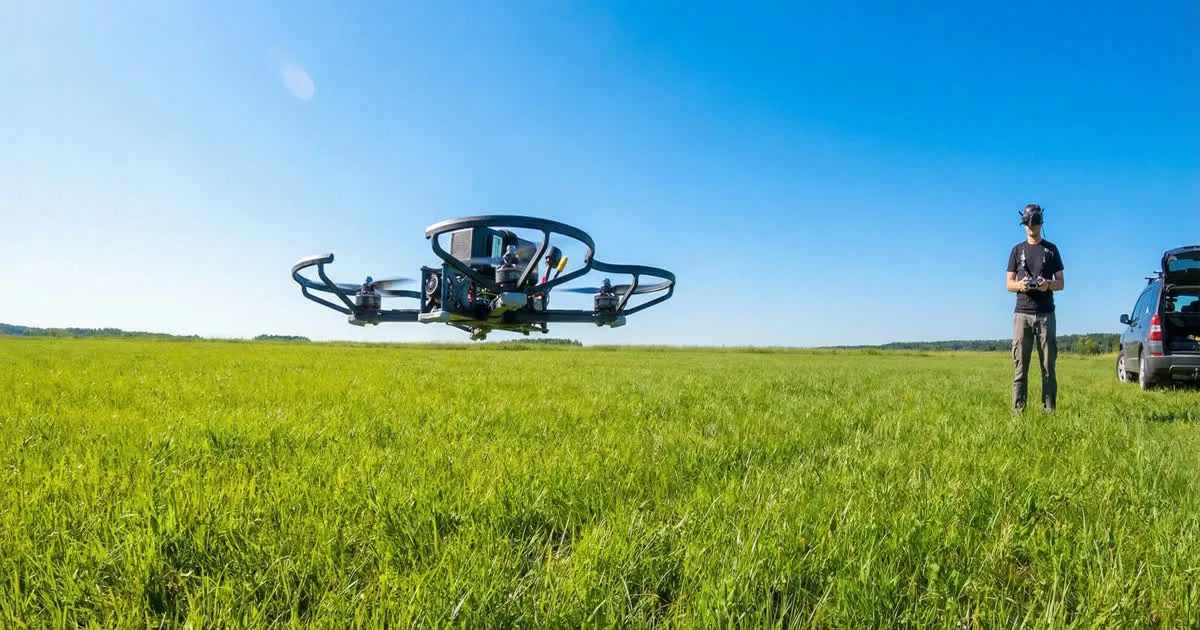
When you fly FPV, your eyes are inside the goggles, watching the drone's camera feed. You cannot see people walking behind you, cars approaching, or obstacles outside the camera's view. This is different from flying a drone by line of sight, where you watch the whole scene from the ground.
Because of this, FPV safety is not just about the drone working correctly. It is about managing what you cannot see while you fly. Good habits close that gap.
A Simple Pre-Flight Checklist
Run through a short check before every flight, not just your first one. It takes less than a minute and catches most avoidable problems.
- Propellers: check each one for cracks, chips or looseness on the motor shaft.
- Frame: look for cracked arms or loose screws, especially after a hard landing.
- Battery: check the voltage, look for any puffing or damage, and confirm it is fully charged.
- Connections: make sure the battery plug and any other connectors are secure.
- Radio and receiver: confirm the drone is bound and responding correctly to stick inputs before arming.
- Area check: scan your flying space for people, animals, vehicles and obstacles you might not see clearly through the goggles.
Doing this every time, even when you are in a hurry, prevents most of the common causes of crashes and injuries.
Using a Spotter
A spotter is a second person who watches the drone and the surrounding area while you fly, with their eyes outside the goggles. They can warn you about someone walking into the area, a vehicle approaching, or another hazard you cannot see from your view alone.
A spotter is especially important when:
- Flying near a road, path or any area people might enter
- Flying in a new location you have not scouted before
- Flying during a filming job where crew or clients are nearby
- Flying a larger or heavier drone that could cause more damage in a crash
If you regularly fly alone in open, empty areas, a spotter matters less. Anywhere people or property could be affected, use one.
Testing Your Failsafe
Failsafe is what your drone does if it loses the control signal from your radio. A correctly configured failsafe should cut power or attempt to land safely, rather than continuing to fly blind.
Before flying somewhere new, or after any significant setup change, test your failsafe in a safe, controlled way. Many flight controller setups let you simulate a signal loss safely on the bench, without the drone leaving the ground. Confirm the drone responds the way you expect before trusting it in the air.
Never assume a failsafe is working just because you set it once. Firmware updates, radio changes and new receivers can all reset or change failsafe behavior.
Battery Safety
Lithium batteries, whether LiPo or Li-ion, store a large amount of energy in a small package, and they need careful handling.
- Never fly with a battery that is puffed, punctured or visibly damaged.
- Charge batteries in a fireproof bag or box, and never leave them charging unattended.
- Store batteries at a storage charge level if you will not fly for several days.
- Let a battery cool down after a hard, fast flight before charging it again.
- Dispose of damaged batteries properly, never in regular household trash.
Our guide on FPV drone parts explained covers how the battery connects to the rest of the system, which helps explain why damage anywhere in that chain matters.
Propeller Safety
Propellers spin fast enough to cause real injury, and they are easy to forget about once a drone feels familiar.
- Always keep fingers clear of propellers when the battery is plugged in.
- Unplug the battery before handling the drone after a crash.
- Treat every drone as "live" until the battery is disconnected, even if it looks like it stopped moving.
- Warn anyone nearby before you arm the drone, so no one reaches toward it unexpectedly.
Most propeller injuries happen during handling, not during flight, which is why this habit matters even when you are not actively flying.
Flying Near People
Flying FPV near people carries more risk than flying in an empty field, since you cannot always see them clearly through the camera feed.
- Keep a clear, generous distance between your flight path and any bystanders.
- Avoid flying directly over people at any point in your route, even briefly.
- Brief anyone nearby, including clients on a filming job, about staying clear of the flight area.
- If something feels wrong mid-flight, such as a strange vibration or a signal glitch, land immediately rather than continuing.
Professional FPV filming, including work at events or on set, depends on this discipline. A single careless moment can undo years of trust with a client.
Know Your Local Drone Laws
Drone rules vary significantly between countries, and sometimes between regions within the same country. Rules commonly cover maximum altitude, no-fly zones near airports and government sites, registration requirements, and permission needed for commercial filming work.
Do not assume the rules from one country apply somewhere else, and do not rely on outdated information. Always confirm current rules with your local civil aviation authority before flying, especially for any commercial or filming work. If you are planning a shoot in Jordan specifically, our guide on drone laws in Jordan explains who regulates flights and what general approval process to expect.
Building Safety Into Your Routine
The pilots who fly safely for years are not the ones who never make mistakes. They are the ones who built these checks into a routine so tightly that skipping them feels wrong. Treat your pre-flight checklist, failsafe testing and area awareness as part of flying itself, not as extra steps you do when you remember.