Quick Answer
Tourists can bring a drone to Jordan, but flying it is not automatic. Jordan's aviation authority, the Civil Aviation Regulatory Commission (CARC), regulates drone use. A drone brought in without prior approval can be held by customs until you leave the country. If aerial footage matters to your trip, the safest option is to arrange approval before you travel. Hiring a local licensed operator is a simpler alternative to bringing your own drone.
Bringing a Drone Through the Airport
Jordan treats drones as controlled items at the border. This is similar to how some countries treat other regulated electronics. If you arrive with a drone and have no prior approval, customs staff may hold the drone until you leave. They may not let you carry it into the country freely.
This is a common surprise for travelers who assume a drone is just another piece of camera gear. Before you pack a drone for a Jordan trip, plan ahead. You may need paperwork sorted out beforehand. Flying it casually on arrival is not guaranteed.
Getting Approval Before You Travel
If aerial footage matters to your trip, contact CARC well before you fly to Jordan. Ask what is currently required for a visitor bringing in a drone. CARC sets the requirements, forms, and timelines, and these can change. So this guide will not list specific fees or processing times. What matters is starting early:
- Reach out to CARC directly through its official channels, not through a forum or a blog post.
- Ask what documents or approvals apply to your specific drone and trip dates.
- Build in enough time before your flight. Approvals that need coordination between authorities are rarely instant.
If you skip this step and arrive without prior approval, expect your drone to be held for review at the airport rather than used freely.
Where You Can and Cannot Fly
Even with a drone in hand and clearance to use it, not every location in Jordan is open for flying. Some areas are commonly restricted around the world. Travelers should assume these are restricted in Jordan too, unless told otherwise:
- Airports and their surrounding airspace.
- Military bases, checkpoints, and other security sites.
- Government buildings and embassies.
- Large public gatherings or events.
- Border regions.
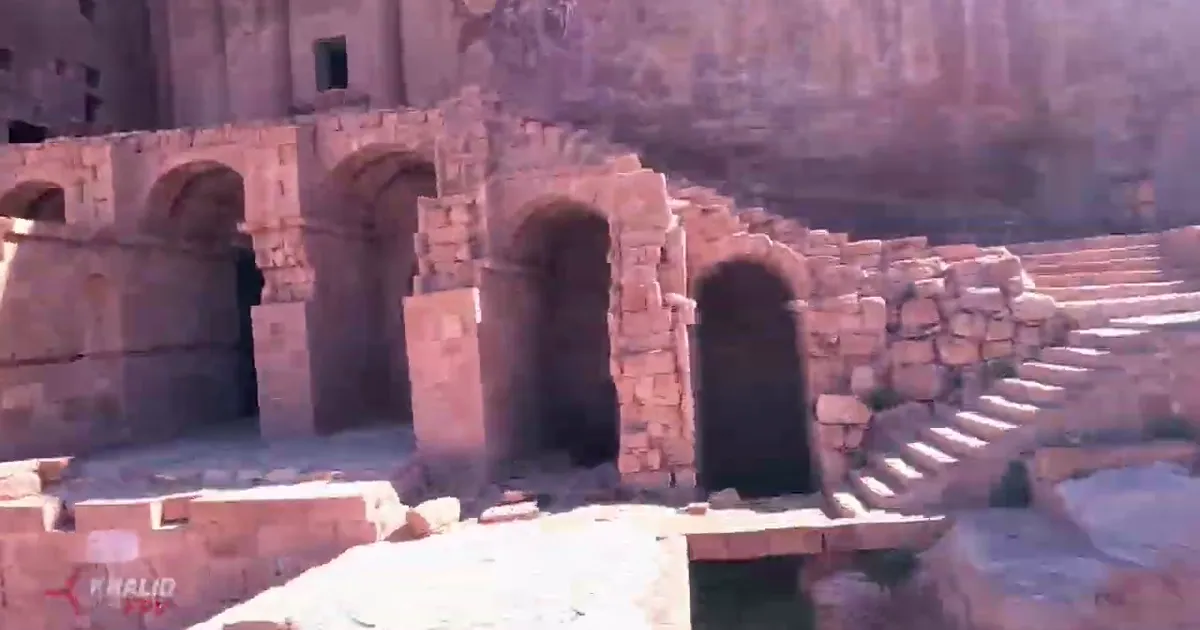
Jordan's historic and protected sites, including Petra, often carry their own separate rules on top of general aviation law. Do not assume a location is cleared for drone flight just because it looks open and empty. If you plan to fly at a specific landmark, confirm with both CARC and the site's own management first. Our guide to FPV filming locations in Jordan covers some of the country's most photogenic spots and the access questions worth asking before you go.
Respecting Privacy While Flying
Beyond official rules, common courtesy matters. A drone camera can easily capture people, homes, and private property without them realizing it. As a visitor:
- Avoid flying low over private homes, gardens, or courtyards.
- Be mindful in villages and residential areas. A drone overhead can feel intrusive.
- If local people ask you to stop filming or move away, respect that request right away.
Being a considerate visitor with a camera goes a long way. It also protects you from unwanted attention from local authorities who may not know your intentions.
Why Many Visitors Skip Bringing Their Own Drone
Given the approval process, the customs situation, and the restricted areas, many travelers find it easier to leave the drone at home. Hiring a local operator instead is often simpler. A pilot based in Jordan who flies drones and FPV professionally will already have the current approvals for legal commercial work. They know which areas are open, and they understand the light, weather, and access at popular locations.
This approach also tends to produce better footage. A local pilot has flown the same locations many times. They know the best time of day for light at places like Wadi Rum or the Dead Sea. They can plan a shoot instead of improvising one during a short visit. If you are weighing your options, our guide on how to choose an FPV pilot explains what to ask before booking someone.
Planning Ahead Saves Your Trip
The worst outcome is arriving in Jordan expecting to fly freely, then having your drone held at customs while your filming plans fall apart. None of this needs to happen if you plan ahead:
- Decide early whether you will bring your own drone or hire a local pilot.
- If bringing your own, contact CARC well before your trip to confirm current requirements.
- Research which locations on your itinerary allow drone flight, and which need extra permission.
- Keep any approval documents with you and easy to show if asked.
- Have a backup plan, such as a local pilot, in case your own approval does not come through in time.
A little preparation protects both your trip and your gear.